Laser Perforation of Tipping Paper

Controlled Porosity Through Laser Perforation

High-precision laser technology creates precisely defined micro-perforations for accurate ventilation control. This enables reliable compliance with regulatory requirements while allowing flexible adjustment of product characteristics.
laser perforation tipping paper Header

Laser Perforation with MLT Laser Technology

laser perforation tipping paper: precise ventilation control

Precise ventilation control

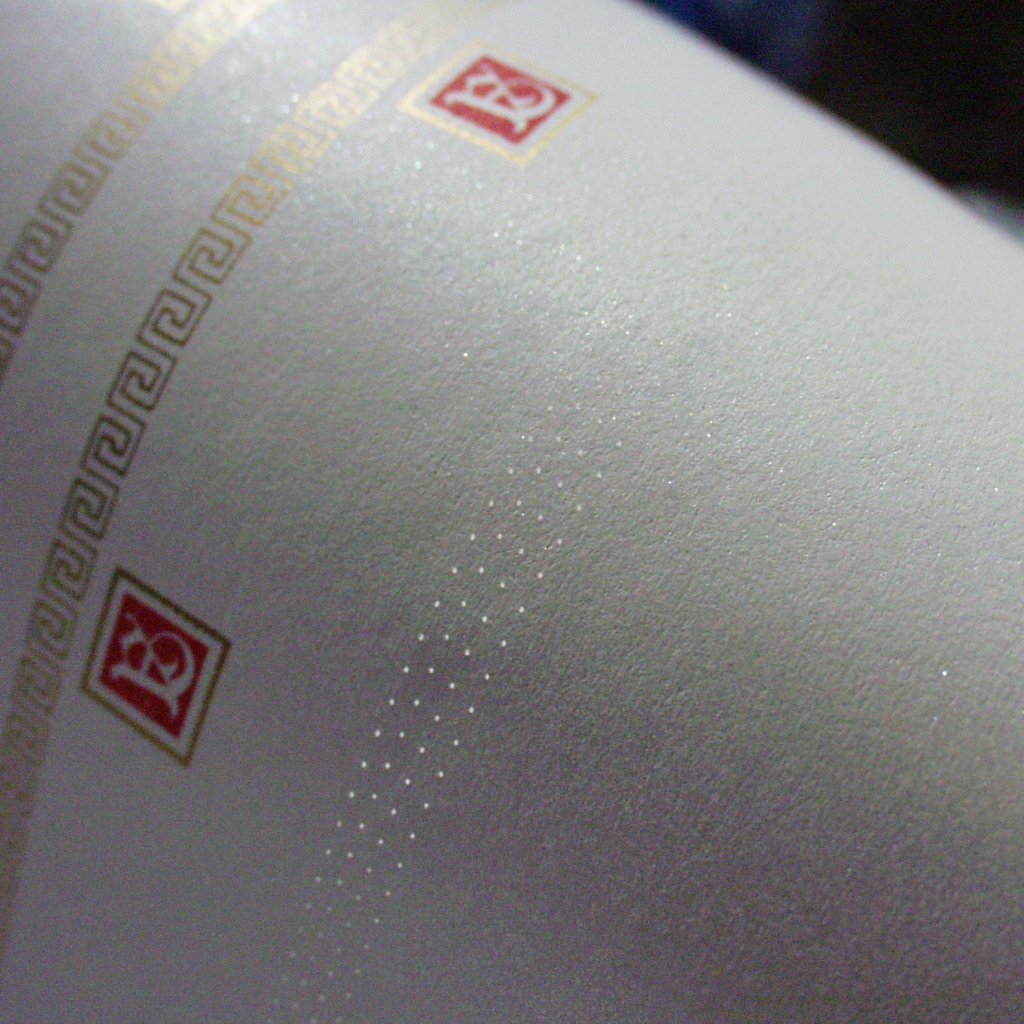
MLT laser technology produces highly precise round perforations without oval hole formation and enables ventilation levels from 50 to over 4,000 Coresta Units (CU). Hole size, pattern, and ventilation can be precisely tailored to individual product requirements.
laser perforation tipping paper: maximum flexibility

Maximum flexibility

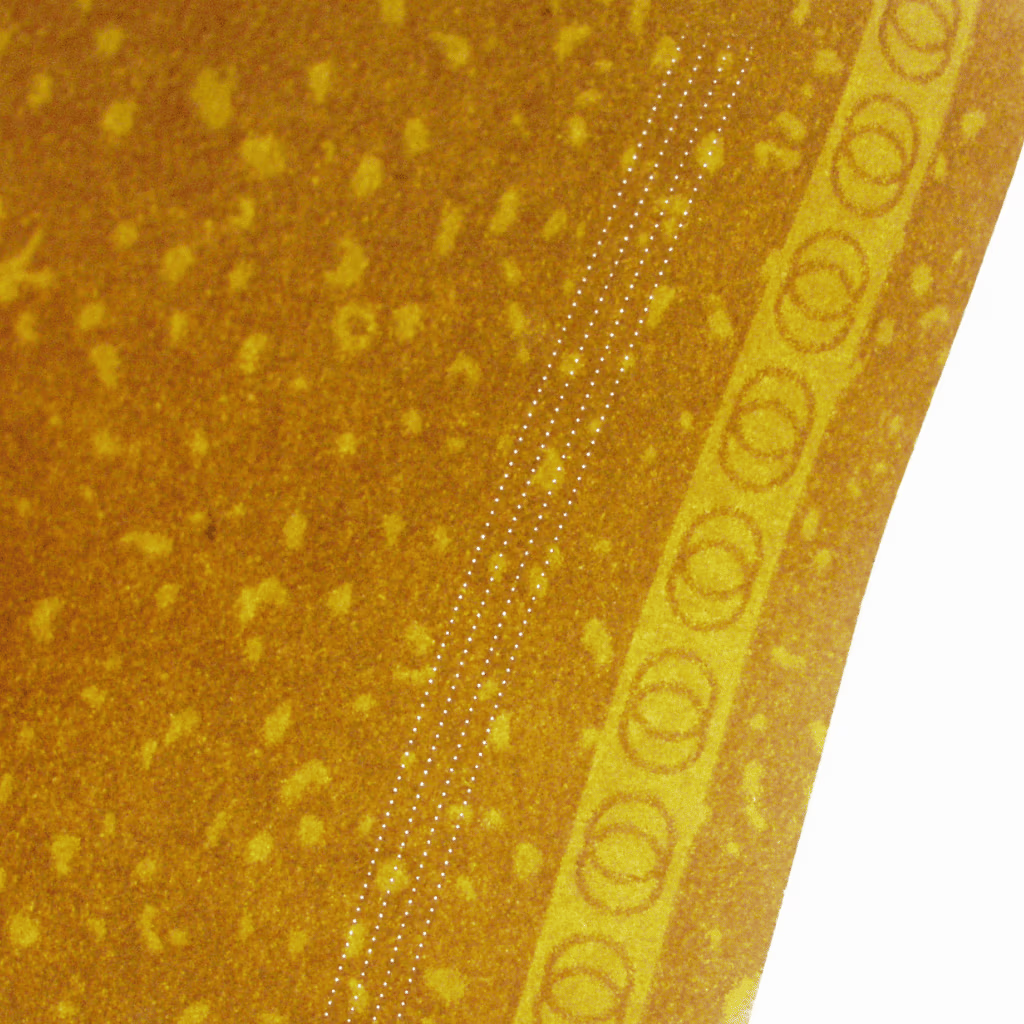
Changes in ventilation values can be implemented quickly and easily via software parameters – without mechanical retooling or tool changes. This allows different customer requirements to be efficiently fulfilled, and product changeovers to be completed in a very short time.
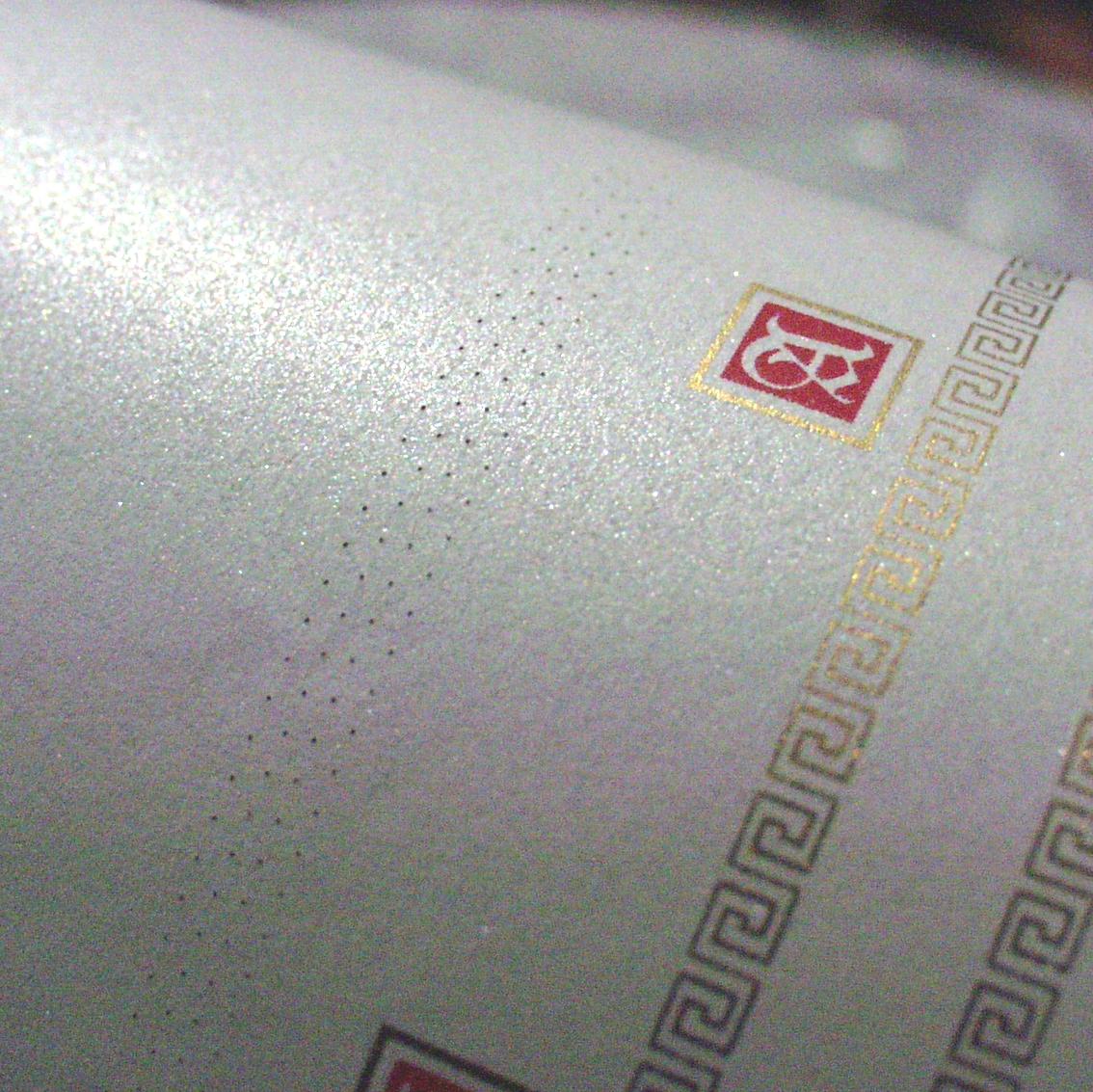
laser perforation tipping paper: high productivity

High productivity and flexible Integration

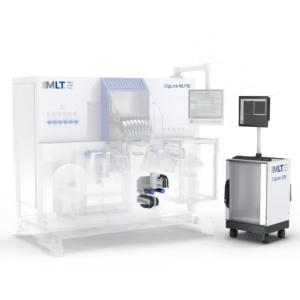
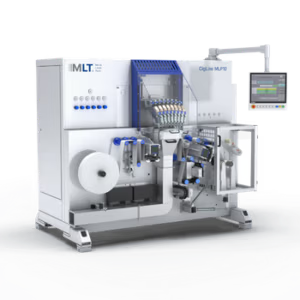
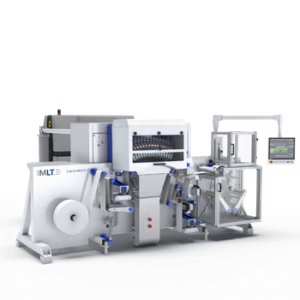
Up to 40 perforation tracks across multiple bobbins can be processed in a single pass, supported by patented technologies and fast product changeovers without performance loss. The systems are available as standalone perforation units.
How Does Laser Perforation of Tipping Paper Work?

Laser perforation creates microscopic, precisely defined holes in tipping paper using a non-contact process capable of up to 1,000,000 holes per second.

Hole size, spacing, and perforation patterns can be flexibly adjusted via software without any tool changes or mechanical modifications. This allows ventilation levels to be quickly adapted to different requirements.

The highly precise round perforations ensure consistent ventilation and maintain a uniformly high product quality.

Why Is Laser Perforation of Tipping Paper Important?

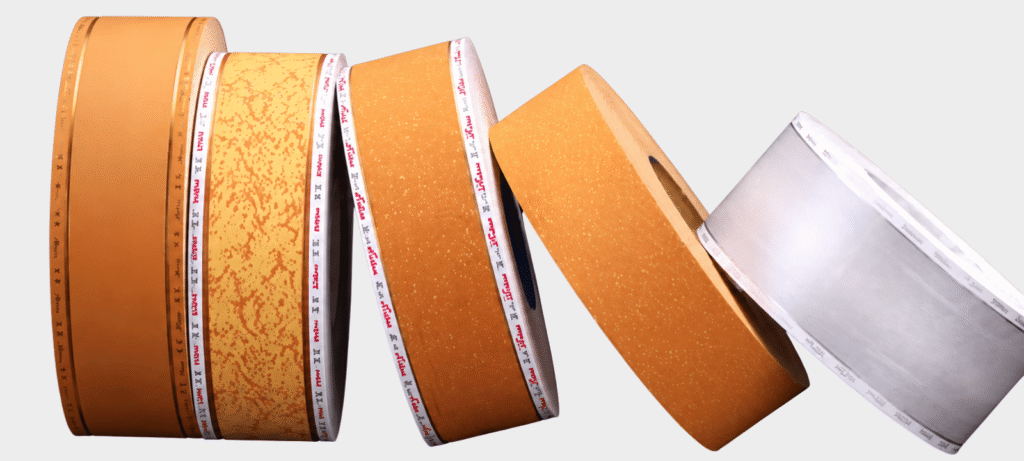
Tipping paper connects the filter and the tobacco rod and ensures cigarette stability. Integrated perforation controls airflow (ventilation) during smoking.

With modern laser perforation, ventilation levels from 50 to over 4,000 Coresta Units (CU) can be achieved. This enables the production of reduced tar and nicotine products while reliably meeting regulatory limits.

Advantages of Laser Perforation of Tipping Paper

Stable ventilation

Learn more ➔
Precise micro-perforations ensure stable ventilation and accurately defined Coresta Units (CU).

Maximum flexibility, minimal effort

Learn more ➔
Ventilation settings can be adjusted quickly and flexibly via software without tool changes or retooling.

Gentle, non-contact process

Learn more ➔
The non-contact laser process ensures precision even at high production speeds.

Suitable Laser Systems for Tipping Paper Perforation

Laser Perforation of Tipping Paper with MLT Laser Solutions

MLT laser perforation provides the tobacco industry with maximum flexibility and productivity. You can choose between standalone systems and fully integrable laser modules for cigarette manufacturing.

We are happy to advise you personally on the most suitable solution.

Frequently Asked Questions (FAQs)

Cigarette tipping paper is an essential component of cigarette design. It joins the filter to the tobacco rod and plays a key role in the cigarette’s structure.

Beyond its functional purpose, tipping paper also provides space for branding and design elements, allowing manufacturers to differentiate their products in a highly competitive market.

Laser perforation of cigarette tipping paper offers numerous advantages over conventional perforation methods. It enables precise control of hole size, shape, and pattern without requiring any tooling changes.

This level of precision is essential for achieving consistent cigarette ventilation. Perforation patterns can be easily adjusted via the machine control system, allowing rapid production changes.

As a contactless process, laser perforation ensures consistent production quality even at very high operating speeds and during continuous multi-shift production. A wide range of ventilation levels, measured in Coresta Units (CU), can be configured quickly and easily, enabling manufacturers to meet diverse customer requirements while minimizing setup times.

Tipping paper perforation is performed on tipping paper production or rewinding machines before the paper is applied to the cigarette. During this process, microscopic perforations are created in up to 20 parallel lanes across the paper web.

By contrast, cigarette perforation is carried out inline during cigarette manufacturing. The perforations are applied directly in the filter area on the cigarette production machine. This method is preferred when different ventilation values are required for individual product lines. It is also suitable for heat not burn (HNB) products, where cardboard based sticks are perforated to achieve the desired ventilation characteristics.